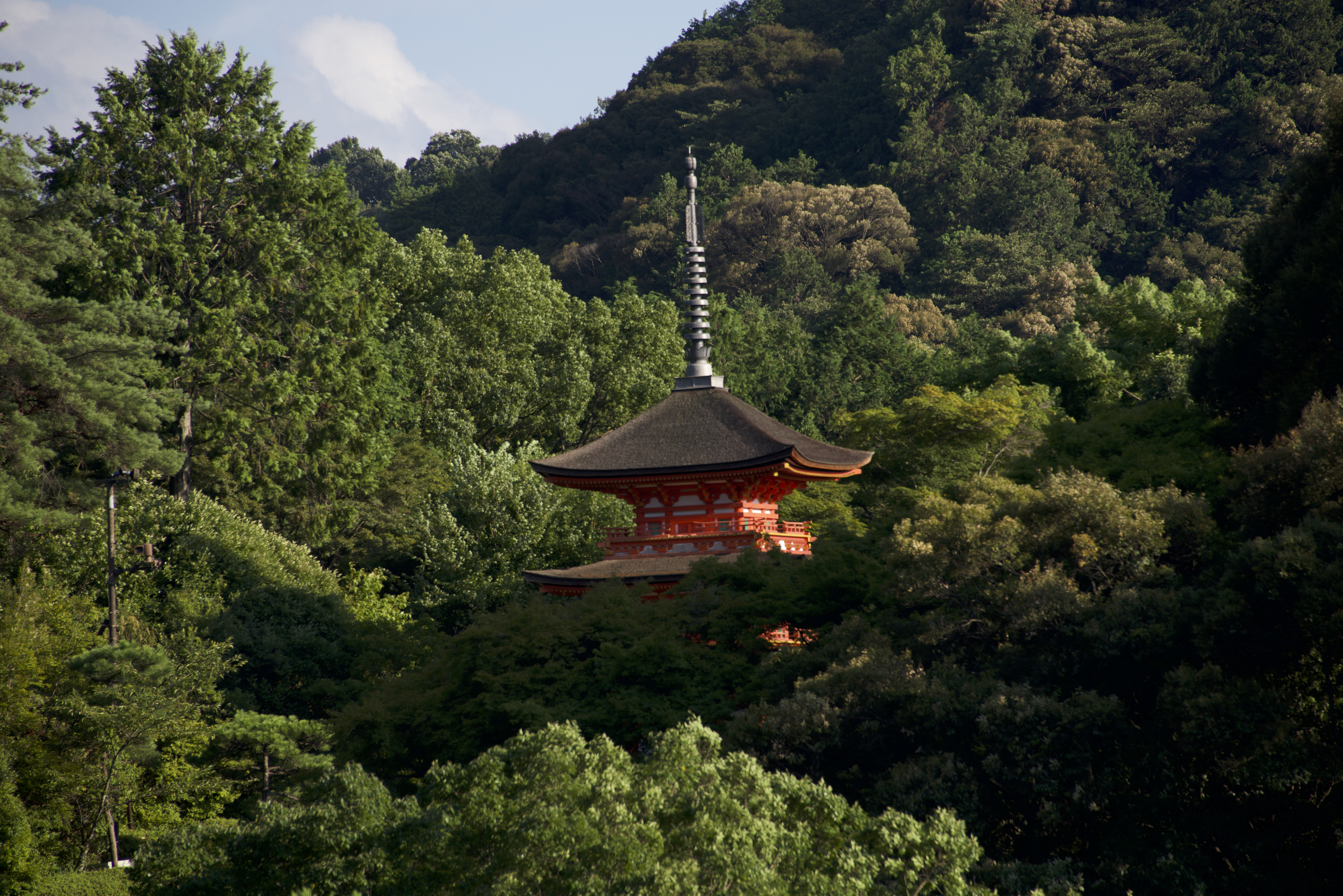
Nippon has been at the forefront of my travel bucketlist for the past decade. Its vastly different culture compared to the States, meticulous lifestyles, technological advancements, and rich history and culture has attracted me and many others to this peninsula. Although this trip is for work, I still will be allocating plenty time for exploration and adventures, experiencing the nightlife, cities, and cultural sites. This log aims to keep track and provide a wholistic representation of my interactions and experiences in Japan. Definitely a trip I am going to be fully immersing myself into.
Itinerary:
-
Yokohama
Stay: Westin Yokohama
A new city on the edge of the water, Yokohama's "Minato Mirai" (translates to future port), is a gentrified, modern city, filled with tall buildings and serving as a new home to many industrial companies. Quite spacious unlike Tokyo centre, it combines the hustle of city life without the crowd. Many events take place here from concerts to spectacular firework shows. Yokohama also houses an otherworldly Chinatown, where the architecture style and people's conduct is completely unconnected from the rest of Yokohama. Here you will find homely nightlife, streets filled with conversation and laughter, and traditional restaurants, making it a fantastic opportunity to experience non-touristy culture. -
Kamakura
Yokohama station - Kamakura Station via Train
Combining traditionality, ground transportation, and ancient preservations, Kamakura is the city to explore if you don't want a touristy vibe. Very few residents speak english, but don't let that stop you from experiencing history (Google Translate is very useful). Make sure you pick up a bike if you want to optimize your time, a common trend I have been experiencing during my travels in Japan. -
Tokyo
a. Akihabara
An otaku's dream come true, Akihabara is packed with bright lights, maids, games, and all the weeb essentials one would desire. Some streets are filled with lowkey tight nit multifloor shopping centers selling everything from antiques to the newest technology. Its fleeting visitors are typically coming in straight from work to relieve their stresses in arcades and gaming centers. I was surprised to witness so many people fully dressed, playing the same single player game over and over again with their areas filled with food and drinks. Although it seemed like a city that did not sleep, the aura was one filled with loneliness, as if this lifestyle was one to escape reality.b. Shibuya
Housing the famous Shibuya Crossing, this dense microcity offers an experience that is an overstimulating on the eyes, energy inducing, atmosphere. Streets are swamped with restaurants, bars, arcades, you name it, and any indication of structure is seemingly non-existent and chaotic. At times I felt like people just came here to cross the street, albeit an experience that is not common. There are two viewpoints to witness this pilgrimage to the other side of the street, Shibuya Sky, which offers a view of the entire city but requires tickets to be prepurchased and sell out quick, and a more lowkey, birds eye view of the crossing from the rooftop of a mall right next to it (this is also much cheaper).c. Ginza
No city I've visited quite screams "rich" like Ginza. Home to the Emperor and the royal family, this upmarket shopping district will have you redefining what lavish really means. From designer brands to the fanciest of restaurants, Ginza offers both scenary and stores, as long as you have the money. Decorated with parks, gardens, and temples, the Imperial Palace is a must see sight, one that has you embracing its beauty but wondering what royalty really means. I was interested in learning there is only one royal family in all of Japanese history, the epitome of a well preserved tradition for over 1400 years (although people argue that it was even 2683 years ago with Emperor Jimmu).d. Tokyo SkyTree
Overshadowing what seems like the entirety of Japan, this engineering marvel is definitely one to visit and gleam in its astound beauty. Standing at ae. Asakusa
Although more touristy than the likes of Kyoto and Kamakura, Asakusa offers a small glimpse of traditional Japan. Only a few train stops away from Tokyo Skytree and downtown, the change of pace, tribute to culture and sense of homeliness are much afforded. The streets of Taito are arranged with vibrant lights and plenty of souvenier shops, providing an ambiance of a close nit community and locality. Providing a scenic walk to the the highlight of Senso-ji shrine is perfect for a stroll harbored with scenic views of both the temple and the Skytree. -
Kyoto
Yokohama station - Kyoto Station via Shinkansen
The original capitol of Japan, Kyoto is extremely well preserved, from 3
a. Fukakusainarinakanocho
Home to the Fushimi Inari Taisha Shrine and Mt. Inari, this historically traditional site symbolizes the essence of Kyoto. Filled with tunnels of Torii gates from the main shrine to the top of the mountain, Inari shrine is a must see unique experience in the ancient capital of Kyoto.b. Kiyomizu
The narrow streets of Kiyomizu serve as the perfect gateway to the colorful Kiyomizu-dera Temple. Here, you will find countless vendors, from souvenirs to traditional clothing stores and matcha tea shops, boasting the preservation of Japanese customs and culture.
Additional Notes and Thoughts:
-
Make sure you pick up a lot of water, electrolyte drinks, and a sun umbrella. A cooling vest is also very suitable for the hot summer climate.
-
The sun rises very early (4:15 AM) and very fast. The Japanese people tend to start and end their days late.
-
Train Stations: My personal favorite part of Japan is its train infastructure. Yes they are readily available, meticulously clean, and organized, but the biggest surprise to me were the stations itself. Almost a full mall (for local stations, as the major ones have more than a full mall), you will find every store you need, affording food to clothing to technology, you name it. Furthermore, the trains are almost never late, and the punctuality allows them to run one after the other (5-10 mins apart).
-
I feel like i am getting used to a bunch of things but most important is being here alone and experiencing everything on my own. like boston kind of gave me a short introduction to that but the culture difference here from food to the language barrier is really super different. they don’t even speak any english if you go outside of Tokyo or the touristy spots. … i think i developed quite a good routine right now where i go to the gym, i’ve been watching my diet (3 meals a day), and basically taking care of myself as if i lived here. my japanese is at a state that i can get around pretty well right now too.
-
The biggest thing for me about Japan is the convenience. It is so damn easy to get to where you want to go (metro/bullet train is way too convenient), the people are overly kind and super respectful, there is no visible ego where a person fully dressed up will treat you any differently than a poor person on the street (i asked a beggar for directions and he walked me to my destination). The third thing is the tradition and importance of preserving culture. I realllyyyy like the culture here. One holiday was “Mountain Day”, a national holiday, even the banks were closed. They are super appreciative of everything especially nature and it really shows. There’s no trash cans outside, people don’t even eat outside, and even the biggest of cities are way too clean. They have robots that mop and dry the trains super quickly (2-3 minutes) after it reaches the total route before it has to turn back. There’s no such thing as normal napkins here. All the napkins are sanitizing ones and they are individually packaged, which really adds to the hygiene aspect. You can’t smoke or drink outside, and Japan is a very heavy smoking community, everyone who does it has to go to a “smoking room”, which are just scattered buildings just for smoking. It really keeps the air smelling clean. Another thing is that people really follow the rules here, no matter how small, and that is why it’s so organized, it’s like a super united country where everyone is on the same page at all times and it makes everything run so smoothly. The safety is #1, so much so as people just leave their belongings out in public for hours and come back to it all in one place. The biggest thing here is everything runs on a trust basis, everyone trusts each other, and this single fact is the basis of everything else i mentioned before. It’s amazing to see, and it sucks how untrustworthy we think people are in america and other places in the world
-
Google translate is my most used app but one thing i’ve been doing is trying to read google translate out loud rather than just showing people what it says, it’s good practice with pronunciation and some of the words and phrases stick
-
Most people are atheist here but buddhism is probably the biggest religion. Their holidays are all natural events like mountain day, sea day, rain day, sun day, wind day, they really value the environment and it shows with the respect they give it and how clean they keep the outside
-
American culture is selfish, the whole mentality here is sacrificing yourself to lift up the people around you. Independence isn’t the main goal here like US is (ex: ppl want to move out of their fam homes as soon as they graduate college), and the Japanese have a keen sense of community.
Work Culture:
I had to make a seperate tab for this because the work culture is totally different from what I have experienced in America. There
Food places:
-
Coco Ichibanya
-
Rasi
-
100 bowls Soba Challenge
-
Convenience stores (Lawson, 7-11, Happy Days)
-
Din Thai Fung
-
Ippudo Ramen
-
Ramen Danbo
Apps to Download:
-
iPhone people: Get a Suica Card through wallet app
-
Go Taxi
-
Download map on Google Maps
-
Google Translates